What to look for when comparing used car inventories in Dayton
Start with a clear picture of what you need
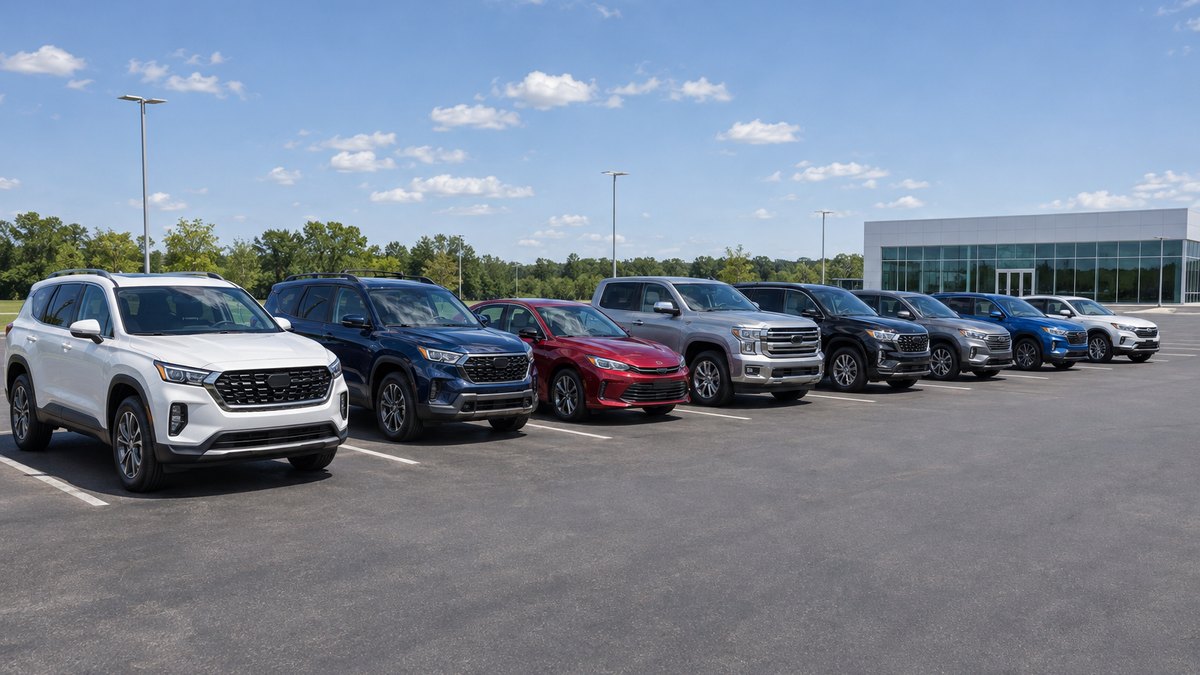
Walking onto a lot with dozens of vehicles can feel overwhelming. Without a plan, it is easy to focus on the wrong details - a shiny paint job or a low window sticker - and miss the things that matter for long-term reliability. Before you visit any dealership, take a few minutes to decide on the vehicle type, approximate mileage range, and budget that works for your household. A clear starting point narrows the search and keeps you from being swayed by features you do not actually need.
Dayton has a wide mix of independent lots and larger auto groups, so the selection can vary from one block to the next. Knowing what you want helps you compare apples to apples. It also makes the conversation with the sales team more productive because you can ask pointed questions about service history and ownership rather than browsing aimlessly.
Check the vehicle history report before you inspect anything
A vehicle history report reveals past accidents, title problems, odometer readings, and service records. Reputable dealerships provide this document willingly. If a seller hesitates or asks you to pay for it, consider that a red flag. The report gives you facts that no test drive can uncover, such as whether the car was declared a total loss by an insurance company or if it has outstanding liens.
Pay special attention to the number of previous owners and whether the car was used as a personal vehicle or a commercial fleet car. A personal-use car with one or two owners and a consistent service log is generally a safer bet than a car that has been passed around or used for ride-hailing. The history report is the single most important piece of paper you will see during your search.
Look beyond the surface condition
A car that has been thoroughly cleaned and waxed can hide a lot of wear. Bring a small flashlight and examine the interior trim, pedals, steering wheel, and seat edges for excessive fading or wear. High mileage on a car that looks almost new inside might mean the odometer was rolled back or that the car sat unused for long periods. Neither scenario is ideal.
Pop the hood and check the fluid levels and their color. Clean transmission fluid should be bright red and not smell burnt. Engine oil should look amber and be at the full mark. Coolant should be clean and at the proper level. Leaks around seals or a heavy buildup of grime on the engine block can indicate poor maintenance. If the car has a spare tire, pull it out and check for dry rot or uneven wear patterns that could point to alignment issues.
Take a thorough test drive on varied roads
A short loop around the block will not tell you how the car behaves under real driving conditions. Plan a route that includes a stop-and-go street, a stretch of highway (I-675 or I-75 work well in the Dayton area), and a road with some curves. Listen for unusual noises when turning the steering wheel fully, and feel for vibrations in the brake pedal when you slow down from highway speed.
Let the car idle for a few minutes after the drive and then restart it. A warm engine that starts immediately suggests the fuel system, battery, and starter are in good shape. Switch the air conditioning and heat to high and low settings, and test every electrical feature: windows, locks, seat adjustments, and the radio. Small failures can be negotiated into the price, but major system issues should give you pause.
Compare the total cost, not just the sticker price
The price on the windshield is only the beginning. Ask about dealer fees, documentation charges, and any mandatory add-ons such as rust-proofing or fabric protection. Some lots bundle services that you may not want or need. Get an itemized out-the-door quote in writing before you agree to anything.
Also consider the car's fuel economy, insurance group, and typical repair costs for that model. A car that is cheap to buy but expensive to insure and fix can drain your budget over two years. Research common issues for the specific make and model you are looking at. Online owner forums and consumer reports give real-world feedback that no salesperson will volunteer.
Know the reputation of the lot you are dealing with
Not all car lots Dayton Ohio operate the same way. Some specialize in high-mileage budget vehicles, while others focus on late-model trade-ins with verified service records. Read recent reviews from multiple sources, not just the dealer's own website. Look for patterns in complaints: repeated problems with odometer accuracy, slow title transfer, or hidden damage suggest a lot you should skip.
Visit the lot at different times of day. If the lot is busy with local customers and the staff answers questions directly, that is a good sign. If the lot is empty and the salespeople seem evasive, trust your gut. A legitimate dealer will let you take the car to an independent mechanic for a pre-purchase inspection. If they refuse, walk away. That single inspection can reveal issues that save you thousands of dollars later.
Understand the return policy and warranty options
Most used cars are sold "as-is," but some lots offer a short return window or a limited warranty. Ask specifically what is covered and for how long. A 30-day parts-and-labor warranty on major components gives you time to discover problems without financial risk. If the dealer offers no warranty at all, factor the potential repair cost into your budget or consider buying from a lot that does provide some protection.
Be clear on the process for returns. Some dealers charge a restocking fee or require that you return the car within a certain number of miles. Read every line of the purchase agreement before signing. If something sounds too good to be true, it probably is. A reputable dealer will explain the terms in plain language and answer your questions without pressure.
Bring a second pair of eyes
It helps to bring someone who is not emotionally invested in the purchase. A friend or family member who knows cars can spot details you might miss, such as mismatched paint on a panel, uneven gaps between doors, or a recent repair that looks sloppy. They can also remind you of your budget and needs when the excitement of a test drive makes you forget.
If you do not have a knowledgeable friend, consider hiring a mobile mechanic for the pre-purchase inspection. The fee is small compared with the cost of a bad decision. An independent mechanic has no incentive to push you toward a sale and will give you an honest assessment of the car's condition.
Trust the paperwork as much as the car
A clean title and a proper bill of sale are non-negotiable. Verify that the vehicle identification number on the dashboard matches the one on the title and the history report. If the numbers do not match, the car may have been stolen or rebuilt after a serious crash. Deal with that issue before you hand over any money.
When you are shopping at car lots Dayton Ohio, ask for a copy of the title before you close the deal. Some lots sell vehicles with a title that is still held by a lender, which can delay your registration for weeks. A lot that has the title ready to transfer is one that does business cleanly and respects your time.
Take your time and compare multiple lots
Do not settle for the first car that looks okay. Visit at least three different lots and compare the same model or same vehicle class. This gives you a feel for the market price and the typical condition of cars in your range. It also shows you which dealers are transparent and easy to work with. A lot that rushes you or makes you feel uncomfortable is not worth your money, no matter how good the car seems.
The right car is out there. A methodical approach - checking history, inspecting condition, test driving thoroughly, and understanding costs - will lead you to a reliable vehicle that fits your life. Skip the shortcuts and you will drive away with confidence instead of regret.
Ends · GETCARDEALERSHIPEDGE